
Sensing to Action in Microseconds: Modern Day Defense Edge Processing
A targeting system that takes 80 milliseconds to close its processing loop isn't slow — it's broken. At the velocities and threat tempos of modern combat, 80ms is the difference between a successful intercept and a miss. Yet that figure represents the realistic latency of a traditional defense electronics pipeline: image sensor to frame grabber to CPU, or antenna to discrete ADC to FPGA to processor. Each handoff adds delay. Each additional board adds weight, volume, and a failure point.
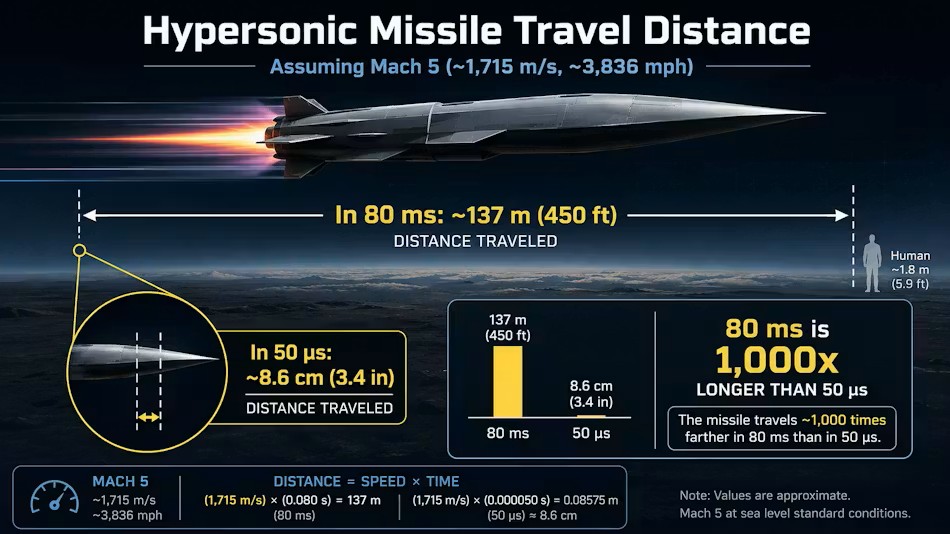
Defense systems have always demanded low latency. What's changed is the platform. Drones, autonomous weapon systems, and vehicle-mounted sensors cannot carry rack-mounted computing infrastructure. They need the full sensing-to-decision pipeline compressed into something that fits inside a lunchbox and runs on tens of watts — not hundreds.
Our article published in Military and Aerospace Electronics discusses technology developments in advanced SoC FPGAs, high-speed cameras with in-sensor FPGA processing, and RF Systems on Chip (RFSoC), and how these technologies are available today in deployable form factors and increasingly within reach of defense programs that previously couldn't justify the engineering investment.
Email